
Overview
- Martial arts combines strength, flexibility, balance, and coordination for a complete full-body workout.
- Controlled movements and mindful breathing in martial arts improve focus, mental clarity, and stress management.
- Martial arts styles suit all fitness levels, from beginners to advanced practitioners seeking self-defense skills.
Introduction
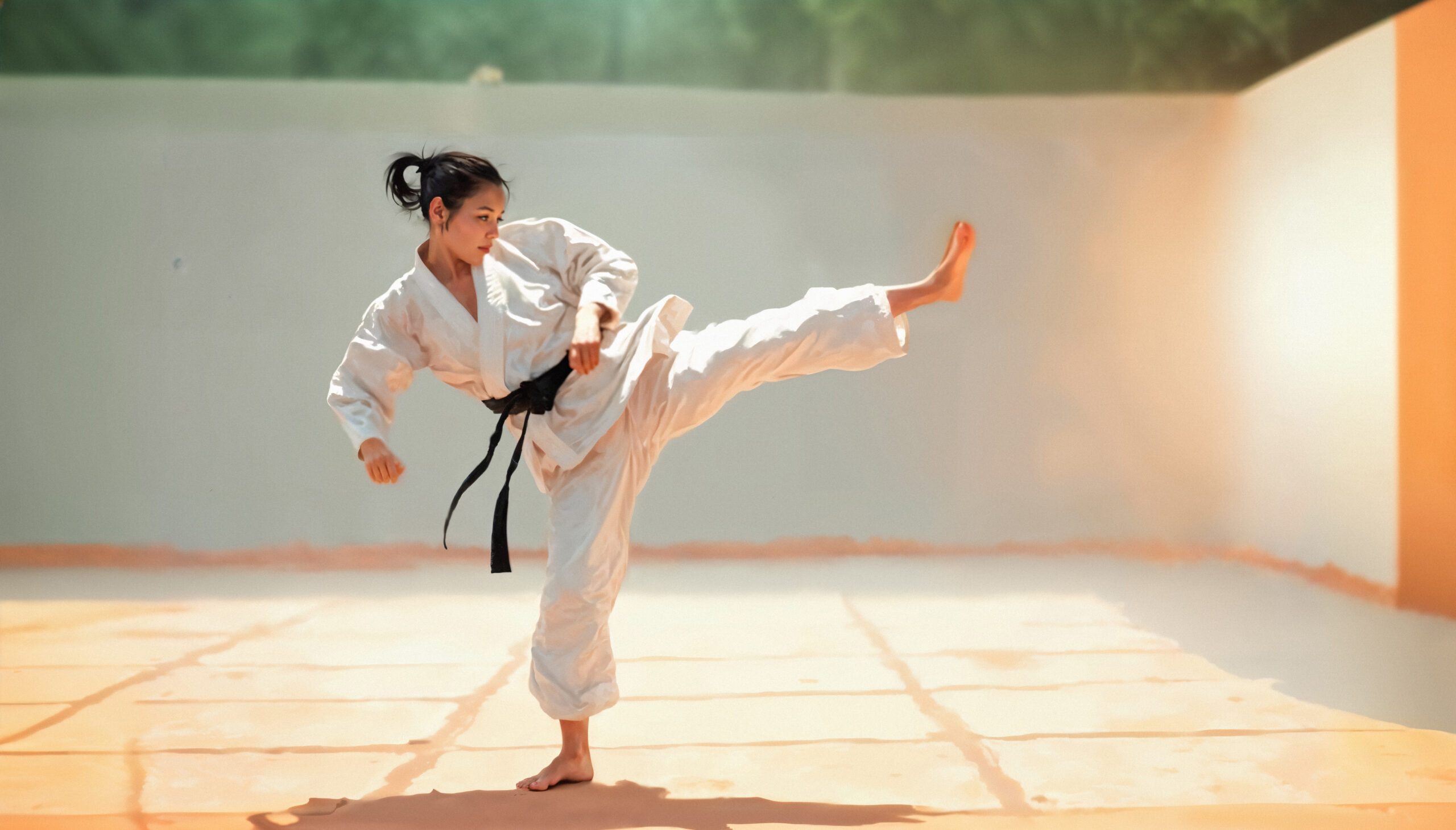
Many people think of martial arts mainly as a combat sport. And it’s real. It includes fast kicks, sparring, and a whole lot of competition. But, less people know martial arts can also be a form of meditation. You’re not just learning how to strike or defend; you’re learning how to move with intention. You learn how to control your breath and how to stay grounded when everything around you is moving fast.
There’s something oddly calming about it. When you’re in the middle of a sequence, you can’t really think about your grocery list or the email you forgot to send. Your brain doesn’t have the space for it. You’re just there, inside the rhythm of what your body’s doing. It’s a different kind of stillness that lives inside motion.
In this article, let’s dive into the definition, the main types of martial arts, their benefits, and how to choose the right style and school of martial arts.
The Main Categories of Martial Arts
There are two general divisions of martial arts: armed and unarmed. Unarmed martial arts originated in China which emphasizes grappling or striking with the hands and feet. Armed martial arts, on the other hand, includes archery, spearmanship, and swordsmanship.
Over the years, martial arts have changed and expanded. Systems and methods for fighting and defending oneself have been developed by various cultures and geographic regions. Although there are thousands of different styles, most can be grouped into several main types based on their origin and focus.
1. Japanese
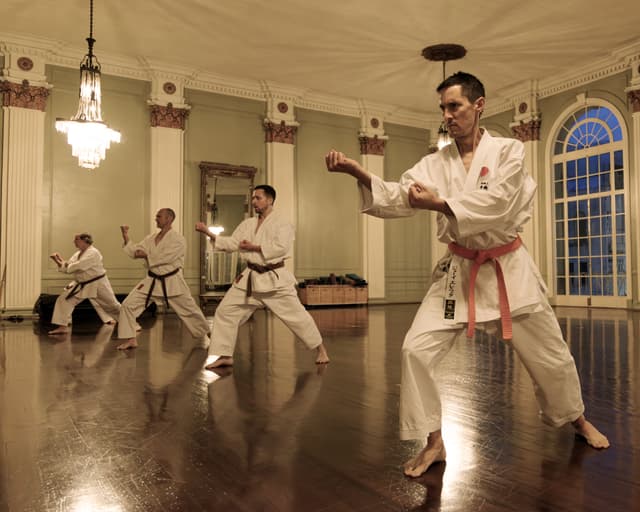
Japanese martial arts like judo, kendo, aikido, and karate place a strong emphasis on control, discipline, and accuracy. They include grappling and bamboo sword (shinai) techniques, as well as throwing and striking.
2. Mixed Martial Arts (MMA)
MMA is a modern and adaptable combat style that blends techniques from various fighting styles, such as Brazilian Jiu-Jitsu and Muay Thai. They’re more leaning towards practical effectiveness.
3. Hapkido and Taekwondo
These are two Korean martial arts that emphasize focus, speed, and balance. High, quick kicks are the mainstay of Taekwondo, whereas Hapkido uses force rerouting to defend.44
4. Chinese
There are internal and external styles of Chinese martial arts. Kung Fu and other external styles emphasize strength, power, and agility. Internal styles like Tai Chi encourage composure and control.
5. Brazilian
Brazilian martial arts like Capoeira and Brazilian Jiu-Jitsu (BJJ) focus on technique, rhythm, and movement. Capoeira appears to be a dance with flowing kicks, whereas BJJ emphasizes submissions and grappling.
6. Reality-Based Self-Defense
Contemporary systems include Krav Maga, which has become one of the most popular choices for women’s martial arts in recent years. These martial arts teach quick and useful skills for threats that arise in real life. These martial arts training prioritizes awareness, fast thinking, and effectiveness over custom or structure.
The Health Benefits of Martial Arts Training
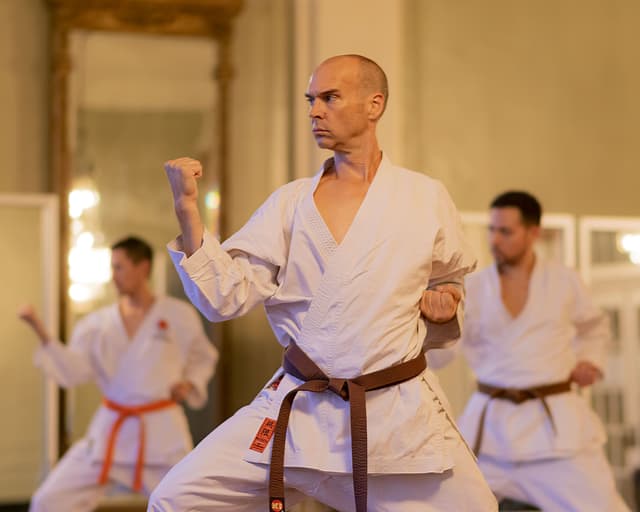
Research supports the wide-ranging mental and physical benefits of martial arts training. A study from the University of Wisconsin-Stout followed 20 participants with disabilities who trained in martial arts for one year. The results showed significant improvements in balance (65%), mobility (45%), stamina (70%), strength (70%), flexibility (50%), breathing (45%), concentration (40%), and other key health indicators.
Other research has also shown that older adults who participate in martial arts classes under supervision have improved coordination, balance, and agility. It has been demonstrated that strength, endurance, and general functional fitness can be improved with 60-90 minute sessions held at least twice a week for eleven weeks or longer.
According to WebMD, martial arts also enhance one’s mental health.
- Stress Relief: Martial arts training helps reduce stress and anxiety. It teaches your mind to stay calm and alert even when life gets hectic.
- Sense of Purpose: Many martial artists talk about feeling more grounded and self-assured. Regular training can help you rediscover your goals and find serenity in personal development with the routine training’s structure and discipline.
- Emotional Regulation: Students who train under pressure develop the ability to control their anger, maintain composure, and make deliberate choices.
- Enhanced Self-Esteem: Every accomplishment, such as learning a new skill or passing a belt test, increases an individual’s confidence and resilience. Martial arts serve as a reminder that perseverance and constant effort help growth.
- Empowerment and Healing: Martial arts are incredibly healing for many people. Particularly for people recovering from prior trauma, the practice promotes stress relief, the establishment of sound boundaries, and a revitalized sense of self-worth. Psychiatrist Bessel van der Kolk, author of The Body Keeps the Score and one of the leading voices in trauma recovery, has noted that martial arts can be among the most effective treatments for traumatic stress because it helps people reclaim agency over their bodies. Trauma often leaves individuals feeling detached or powerless, as though their bodies belong more to the memory of what happened than to themselves. Martial arts gently reverses that dynamic. Martial arts are an outlet for stress, anxiety, and even the lingering weight of past trauma. The repetition of forms, like the steady rhythm of katas, strikes, or breathing drills, gives the mind something steady to hold onto, creating a meditative focus that quiets inner chaos. Within that rhythm, emotion has space to surface and settle.
Choosing the Right Martial Arts for Your Fitness Goals
Finding the right type of material art depends on your goals, interests, and lifestyle. With so many styles and martial arts schools to choose from, here’s how to narrow it down.
Identify your Goals and Interests
Reflect on what truly draws you to martial arts. What goals you hope to achieve and what kind of growth you’re looking for through your training.
| Goal | Best Types of Martial Arts to Try | Why It Fits |
|---|---|---|
| Self-defense | Krav Maga, Brazilian Jiu-Jitsu, Muay Thai | These focus on real-world defense skills and effective techniques for different body types. |
| Physical fitness | Taekwondo, Karate, Capoeira | These styles improve strength, flexibility, endurance, and overall conditioning |
| Stress relief and mindful | Tai Chi, Aikido | These are slower-paced and focus on breathing, balance, and mental calmness |
| Cultural and weapon training | Kali, Eskrima, Kendo | These blend discipline, cultural heritage, and weapon handling techniques |
Research Different Types of Martial Arts
Learn about the different types of martial arts and how they align with your goals. Explore their philosophies, training intensity, and cultural roots. You can read articles, watch videos, or join online communities to get a sense of which style feels right.
Visit Local Martial Arts Schools
Check out a few martial arts schools before enrolling. Talk to teachers, watch martial arts classes, and take note of how students interact. Seek out a supportive atmosphere that prioritizes respect, safety, and allowing you to advance at your own speed. You can also inquire about things like the instructor’s training and experience. Observe how the classes are organized for new students, and if they have martial arts classes for women or families.
Align with Your Physical Capabilities
Be truthful about your physical preferences and limitations. Judo and BJJ are grappling arts that focus on leverage and control, while Muay Thai demand agility and endurance. Select options that best suit your body and energy level.
Think Long-Term
Martial arts are life-long practice. It takes patience, discipline, and time to make progress. Consider whether you can see yourself enjoying the school and style you’ve chosen for years to come. Martial arts become more than just physical activity when you find the right fit; they become a way of life.
For some people, long-term journeys like this are life-changing. For example, the Filipino fighter Eduard Folayang was raised in poverty and used martial arts as an escape; many years later he was a world champion. In Myanmar, Aung La N Sang, by the same route, found his purpose and pride and changed from a college athlete to a national unity icon. And for others, like Bibiano Fernandes, martial arts were a means to an end—a way to restore one’s dignity after a rough time.
These stories remind us that real growth in martial arts happens slowly, almost quietly. You don’t just build strength; you build a life that keeps teaching you long after you’ve left the mat.
Martial Arts in the New Orleans Athletic Club
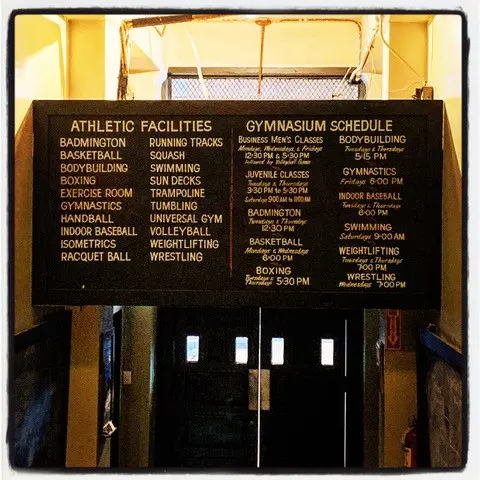
New Orleans has a growing martial arts scene. Schools and gyms have programs for all ages. Martial arts schools in New Orleans, like the New Orleans Athletic Club, offer a variety of courses, which include beginner and advanced classes for adults as well as children.
The New Orleans Athletic Club martial arts training regimens blend a contemporary approach to fitness with the finest elements of traditional practice. There is a community of teachers and students who encourage one another to maintain consistency and get better everyday.
They also offer women martial arts training for fitness and self-defense. Instructors make sure that techniques and types of martial arts in the New Orleans Athletic Club are tailored to each individual’s goals, body, and interests.
FAQs
Is Martial Arts a Good Workout for Weight Loss?
What’s the Best Martial Arts Style for Fitness Beginners?
How Often Should I Train in Martial Arts for Fitness Results?
Conclusion
There is much more to martial arts than just sports. They are a route to more self-assurance, calmer thoughts, and stronger bodies. Frequent martial arts practice cultivates the development of inner strength, endurance, and focus.
Try taking a martial arts class at the New Orleans Athletic Club if you’re in the city and want an exercise regimen that tests your physical and mental limits. You’ll discover a nurturing environment where you can develop, learn, and move with direction.


